


Science
‘The most important thing is to never stop questioning’
Albert Einstein
Science At Bitterne Church of England Primary
At Bitterne CE Primary School, we want every child to see themselves as a scientist.
Children are naturally curious about the world around them. Our Science curriculum builds on this curiosity, encouraging pupils to ask questions, explore ideas, investigate and use evidence to explain what they discover.
We use White Rose Science to provide a carefully sequenced curriculum in which learning is broken down into manageable steps. Knowledge, scientific skills and vocabulary build progressively and are deliberately revisited, helping children to make connections and remember more. White Rose Science has been awarded ASE Evaluated status by the Association for Science Education, providing independent assurance of its scientific accuracy, curriculum alignment and teaching approach.
Our teachers bring this curriculum to life. They use White Rose guidance to plan engaging lessons that meet the needs of the children in their class. Teachers carefully select and adapt practical activities, questions, models and opportunities for scientific talk, responding to pupils' prior knowledge, misconceptions and interests.
Through this combination of a high-quality, carefully sequenced curriculum and responsive teaching, we aim to inspire a lifelong curiosity about science and equip our children with the knowledge and skills to understand, question and explore the world around them.
What does Science look like at Bitterne?
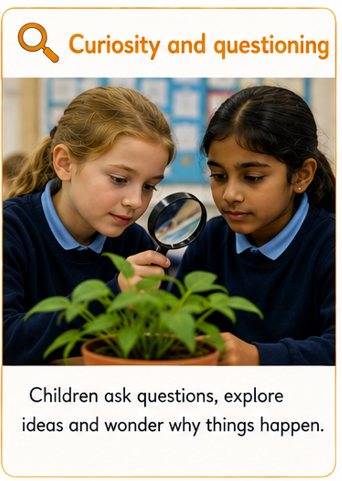
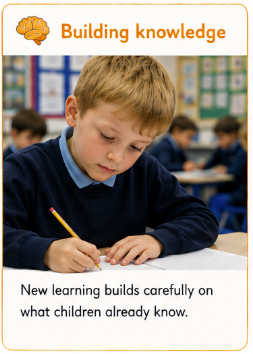
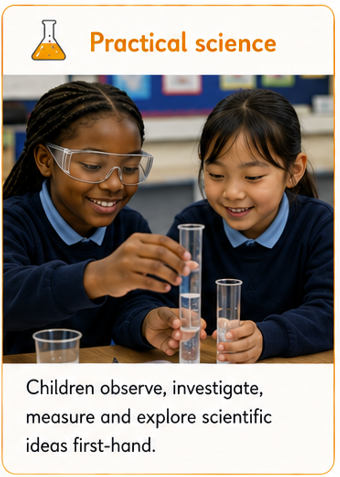
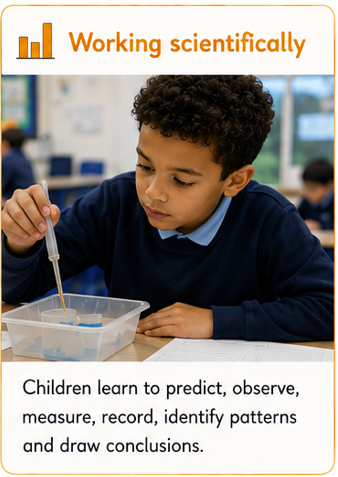
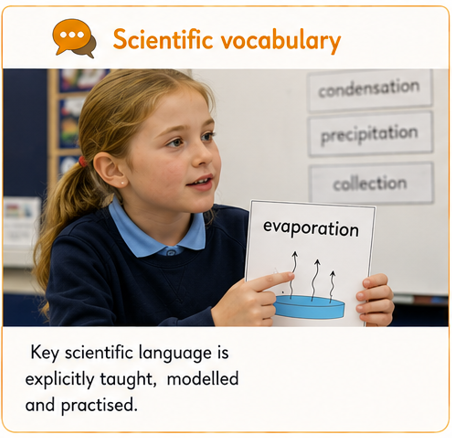
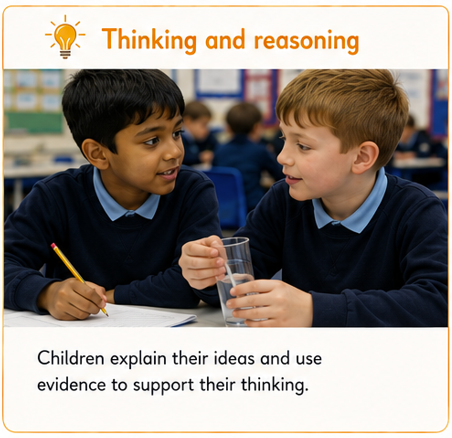
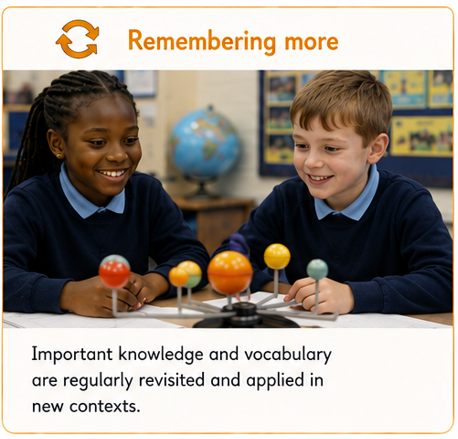
Working Scientifically
Working scientifically is woven throughout our Science curriculum. As children progress through the school, they become increasingly confident and independent in asking scientific questions, planning enquiries, making careful observations, taking measurements, recording findings and using evidence to draw conclusions.
We want children to understand that Science isn't simply about knowing the right answer. It is about being curious, asking good questions and using evidence to understand the world around us.
Curriculum Pathway
Our Science Pathway shows how children's scientific knowledge, vocabulary and working scientifically skills develop as they move through the school.
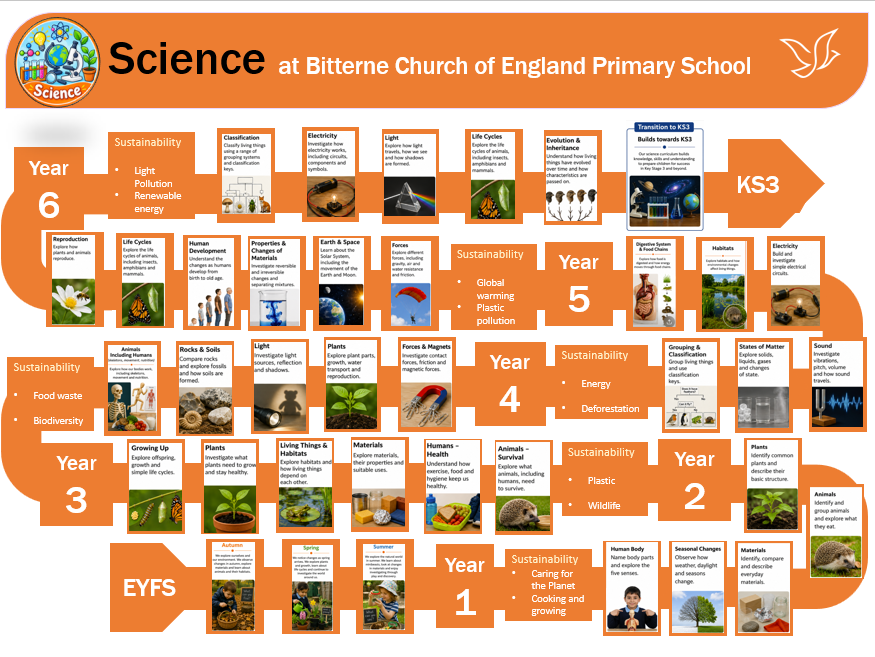
Please click the documents at the bottom of this page for a downloadable copy.
Science in EYFS
Science begins in the Early Years, where children are naturally curious about the world around them. Through Understanding the World, children explore, observe, ask questions and talk about what they notice, building the foundations for scientific learning in Key Stage 1 and beyond.
First-hand experiences and exploration allow children to have opportunities to:
- observe seasonal changes, weather and the natural world;
- explore plants, animals, growth, habitats and life cycles;
- investigate materials, light, sound, forces and movement;
- notice similarities, differences, patterns and changes;
- make simple predictions and explore their own ideas;
- develop scientific vocabulary to describe and explain what they observe;
- learn to care for living things and the environment.
Adults encourage curiosity through questions such as “What do you notice?”, “What do you think will happen?” and “How could we find out?”
These experiences develop the observation, questioning, comparison and communication skills that underpin Working Scientifically and prepare children for increasingly systematic scientific enquiry in Key Stages 1 and 2.
Sustainability in Science
At Bitterne, sustainability is woven throughout our Science curriculum. From their earliest experiences in EYFS, children learn to explore, understand and care for the world around them.
As they progress through school, children explore themes including caring for the planet, biodiversity, food waste, deforestation, energy, global warming, plastic pollution and renewable energy. These are taught through meaningful scientific contexts, practical investigations and discussion.
We want children to understand how science can help us make informed choices, solve problems and contribute to a more sustainable future.
Documents
-
Science Curriculum Pathway Aug 2026
download_for_offline
download_for_offlineScience Curriculum Pathway Aug 2026
- Science Overview BPS Aug 2026 download_for_offline
download_for_offlineScience Overview BPS Aug 2026
Year Group Knowledge Organisers
Autumn Term
-
Year 1 Seasonal Changes Autumn
download_for_offline
download_for_offlineYear 1 Seasonal Changes Autumn
- Year 1 Human Body and the Senses download_for_offline
download_for_offlineYear 1 Human Body and the Senses
- Year 1 Materials download_for_offline
download_for_offlineYear 1 Materials
- Year 1 Seasonal Changes Winter download_for_offline
download_for_offlineYear 1 Seasonal Changes Winter
- Year 2 Basic Needs of Animals for Survival download_for_offline
download_for_offlineYear 2 Basic Needs of Animals for Survival
- Year 2 Humans download_for_offline
download_for_offlineYear 2 Humans
- Year 2 Materials download_for_offline
download_for_offlineYear 2 Materials
- Year 2 Plastic download_for_offline
download_for_offlineYear 2 Plastic
- Year 3 Food Waste download_for_offline
download_for_offlineYear 3 Food Waste
- Year 3 Movement download_for_offline
download_for_offlineYear 3 Movement
- Year 3 Nutrition and Diet download_for_offline
download_for_offlineYear 3 Nutrition and Diet
- Year 3 Rocks download_for_offline
download_for_offlineYear 3 Rocks
- Year 3 Skeletons download_for_offline
download_for_offlineYear 3 Skeletons
- Year 4 Collecting Data download_for_offline
download_for_offlineYear 4 Collecting Data
- Year 4 Grouping and Classifying of Living Things download_for_offline
download_for_offlineYear 4 Grouping and Classifying of Living Things
- Year 4 States of Matter download_for_offline
download_for_offlineYear 4 States of Matter
- Year 5 Forces download_for_offline
download_for_offlineYear 5 Forces
- Year 5 Global Warming download_for_offline
download_for_offlineYear 5 Global Warming
- Year 5 Space download_for_offline
download_for_offlineYear 5 Space
- Year 6 Electricity download_for_offline
download_for_offlineYear 6 Electricity
- Year 6 Living Things and Their Habitats download_for_offline
download_for_offlineYear 6 Living Things and Their Habitats
- Year 6 Renewable Energy download_for_offline
download_for_offlineYear 6 Renewable Energy
Spring Term
-
Year 1 Animals
download_for_offline
download_for_offlineYear 1 Animals
- Year 1 Caring for the Planet download_for_offline
download_for_offlineYear 1 Caring for the Planet
- Year 1 Planting download_for_offline
download_for_offlineYear 1 Planting
- Year 1 Seasonal Changes Spring download_for_offline
download_for_offlineYear 1 Seasonal Changes Spring
- Year 2 Light download_for_offline
download_for_offlineYear 2 Light
- Year 2 Living Things and Their Habitats download_for_offline
download_for_offlineYear 2 Living Things and Their Habitats
- Year 2 Plants Light and Dark download_for_offline
download_for_offlineYear 2 Plants Light and Dark
- Year 2 Soils download_for_offline
download_for_offlineYear 2 Soils
- Year 3 Fossils download_for_offline
download_for_offlineYear 3 Fossils
- Year 4 Data Collection download_for_offline
download_for_offlineYear 4 Data Collection
- Year 4 Electricity download_for_offline
download_for_offlineYear 4 Electricity
- Year 4 Energy download_for_offline
download_for_offlineYear 4 Energy
- Year 4 Sound download_for_offline
download_for_offlineYear 4 Sound
- Year 5 Animals including Humans download_for_offline
download_for_offlineYear 5 Animals including Humans
- Year 5 Life Cycles download_for_offline
download_for_offlineYear 5 Life Cycles
- Year 5 Properties of Materials download_for_offline
download_for_offlineYear 5 Properties of Materials
- Year 6 Diet Drugs and Lifestyle download_for_offline
download_for_offlineYear 6 Diet Drugs and Lifestyle
- Year 6 Light download_for_offline
download_for_offlineYear 6 Light
- Year 6 Light Pollution download_for_offline
download_for_offlineYear 6 Light Pollution
- Year 6 The Circulatory System download_for_offline
download_for_offlineYear 6 The Circulatory System
Summer Term
-
Year 1 Growing and Cooking
download_for_offline
download_for_offlineYear 1 Growing and Cooking
- Year 1 Planting download_for_offline
download_for_offlineYear 1 Planting
- Year 1 Plants download_for_offline
download_for_offlineYear 1 Plants
- Year 1 Seasonal Changes Summer download_for_offline
download_for_offlineYear 1 Seasonal Changes Summer
- Year 2 Growing Up download_for_offline
download_for_offlineYear 2 Growing Up
- Year 2 Plants Bulbs and Seeds download_for_offline
download_for_offlineYear 2 Plants Bulbs and Seeds
- Year 2 Wildlife download_for_offline
download_for_offlineYear 2 Wildlife
- Year 3 Biodiversity download_for_offline
download_for_offlineYear 3 Biodiversity
- Year 3 Forces download_for_offline
download_for_offlineYear 3 Forces
- Year 3 Magnets download_for_offline
download_for_offlineYear 3 Magnets
- Year 3 Plants download_for_offline
download_for_offlineYear 3 Plants
- Year 4 Collection download_for_offline
download_for_offlineYear 4 Collection
- Year 4 Deforestation download_for_offline
download_for_offlineYear 4 Deforestation
- Year 4 Food Chains download_for_offline
download_for_offlineYear 4 Food Chains
- Year 4 Habitats download_for_offline
download_for_offlineYear 4 Habitats
- Year 4 The Digestive System download_for_offline
download_for_offlineYear 4 The Digestive System
- Year 5 Plastic Pollution download_for_offline
download_for_offlineYear 5 Plastic Pollution
- Year 5 Reproduction download_for_offline
download_for_offlineYear 5 Reproduction
- Year 5 Reversible and Irreversible Changes download_for_offline
download_for_offlineYear 5 Reversible and Irreversible Changes
- Year 6 Adaptations download_for_offline
↑download_for_offlineYear 6 Adaptations
- Year 6 Fossils download_for_offline
download_for_offlineYear 6 Fossils
- Year 6 Themed Projects download_for_offline
download_for_offlineYear 6 Themed Projects
- Year 6 Variation download_for_offline
download_for_offlineYear 6 Variation
- Year 1 Planting download_for_offline
- Year 1 Caring for the Planet download_for_offline
- Year 1 Human Body and the Senses download_for_offline
- Science Overview BPS Aug 2026 download_for_offline